
Reverse Mortgage
A loan for people who are 62 or older, and in some cases 55 or older. It can turn equity into payments or a line of credit, or help buy a different home.
Staying in the Home While You Use Equity
The common government-insured reverse mortgage is called a HECM. It is usually for homeowners who are 62 or older and who live in the home. Some proprietary reverse mortgages, which are not insured the same way, can start at 55. Ask which one is actually available before you plan on an age.
The loan can pay you a lump sum, a monthly amount, or a line of credit, depending on the program. You keep the title. You still pay property taxes, homeowners insurance, and the cost of keeping the home in reasonable shape. If those obligations are missed, the loan can be called due.
A reverse mortgage can also be used to buy a different home. That version is often called a HECM for Purchase. You bring a share of the price to closing, and the loan covers the rest, within the program's limits. This page does not state that share.
A HECM requires a session with an independent counselor before you apply. The counselor does not work for the lender. Use that meeting to talk through what happens to the home later, including what heirs would need to do.


In Everyday Language
A reverse mortgage is for homeowners who are 62 or older. In some cases the age can be 55 or older. Instead of a payment you make every month in the usual way, the loan can pay you, give you a line of credit, or both, using equity in the home. You still own the home. You still take care of taxes, insurance, and upkeep. It is not free money, and it is not the right tool for every older homeowner.
Equity You Can Use and Still Stay
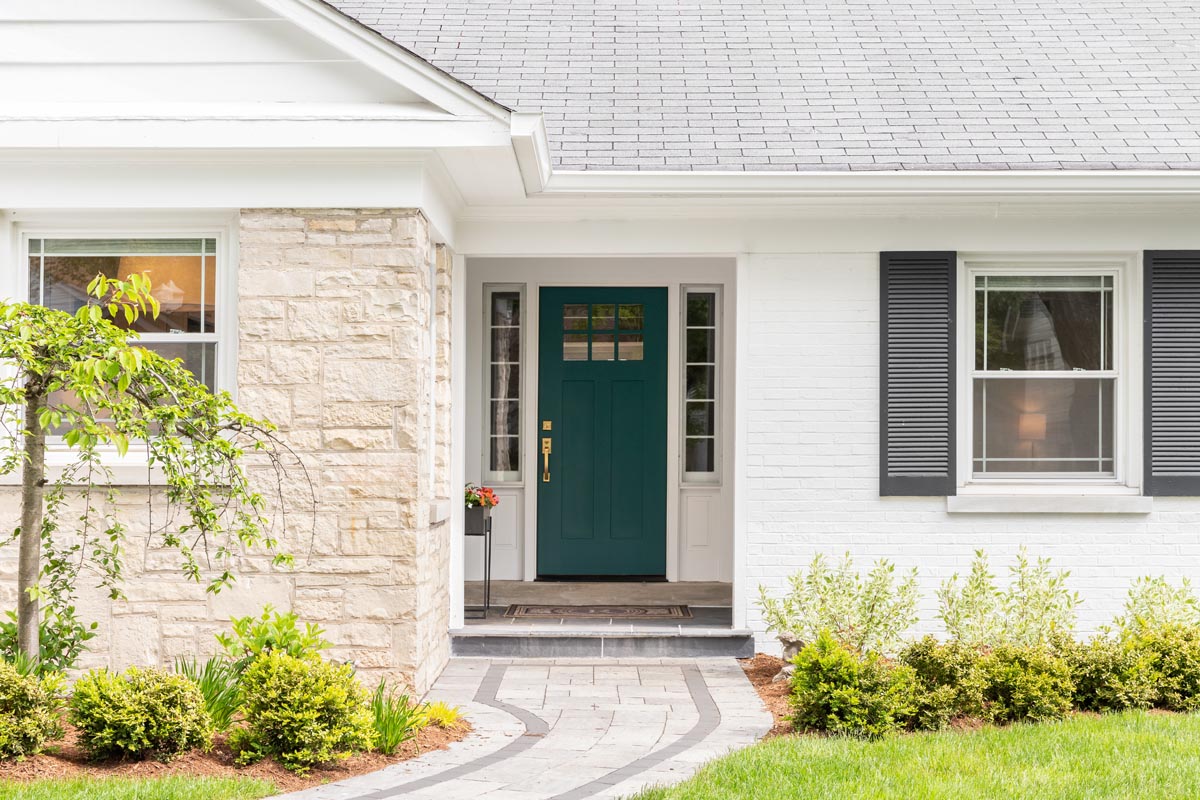
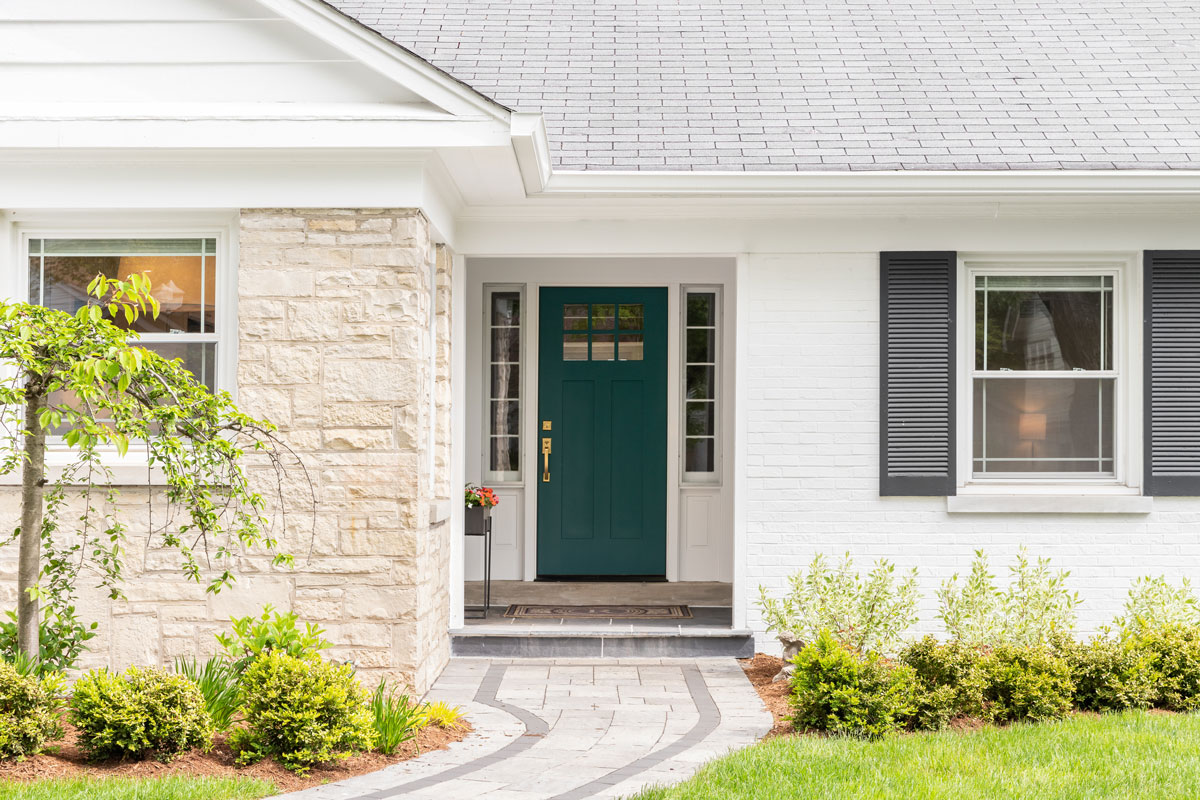
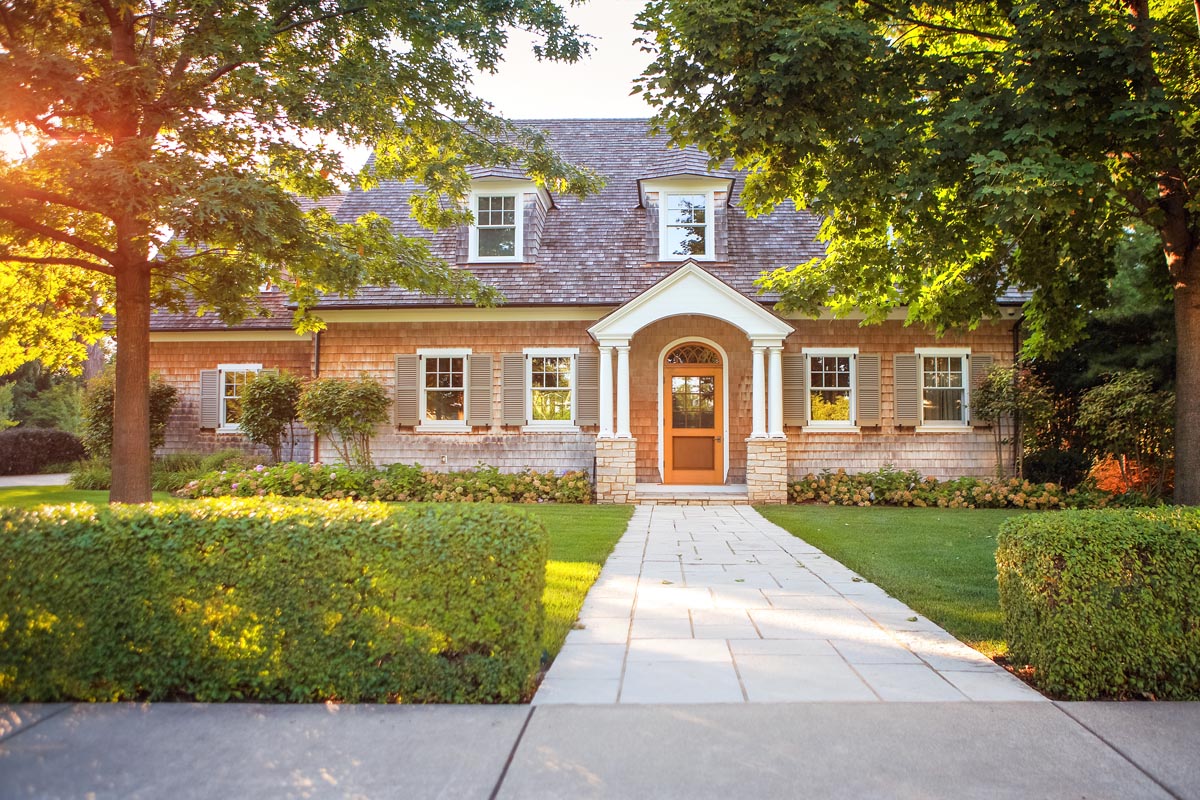
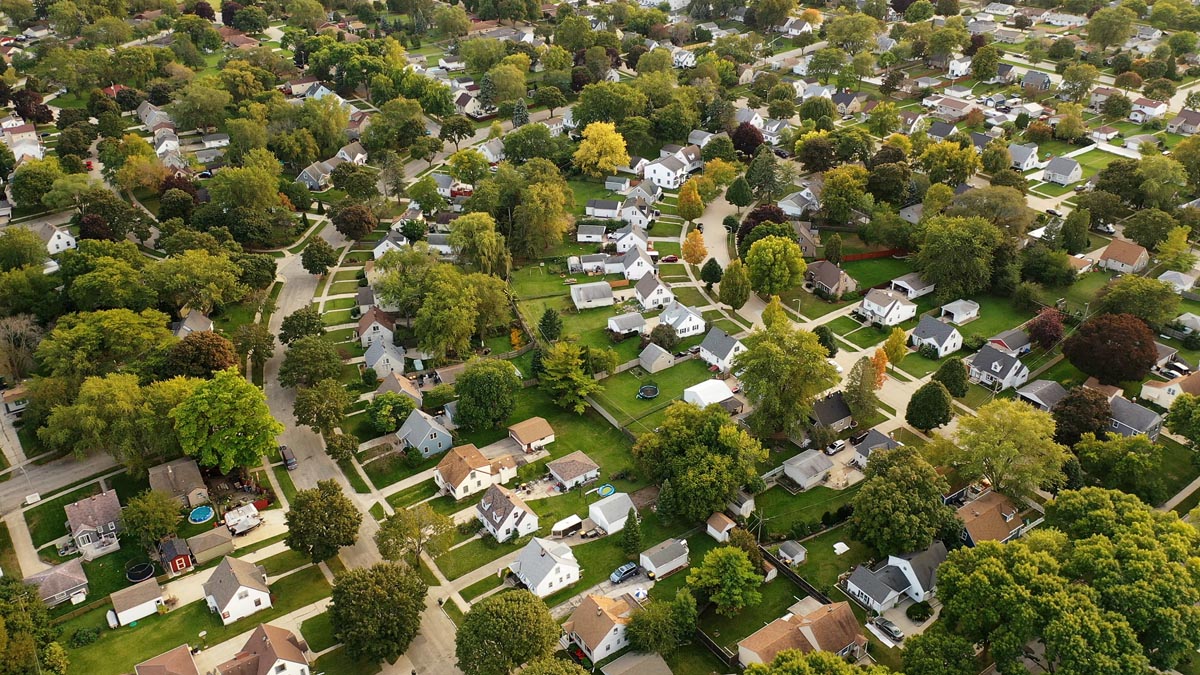
A reverse mortgage can turn equity into payments or a line of credit, or help buy a different home. You keep the title. These photos are homes and families, not listings, and they are not an offer.

Ways a Reverse Mortgage Can Work
62 or older is the usual age. 55 or older applies only in some cases. You still pay taxes, insurance, and upkeep.
Swipe sideways to see each path.

Stay and Use Equity
You keep the title. The loan can pay a lump sum, a monthly amount, or a line of credit, depending on the program. It is not free money.

Age Comes First
The common age is 62 or older. Some programs allow 55 or older. Ask which one is actually available before you plan on an age.

Taxes and Insurance Still Come Due
You still pay property taxes, homeowners insurance, and the cost of upkeep. Missing those can put the loan in trouble.
Buying a Different Home
A purchase reverse asks you to bring a share of the price to closing. This page does not state that share.

Counseling Before You Apply
A HECM requires a session with an independent counselor. The counselor does not work for the lender.
Who It Is Great For
- Homeowners 62 or older, and in some cases 55 or older, who want to use equity while they stay in the home
- Older buyers who want to purchase a different home with a reverse mortgage
- People who will complete the counseling the program asks for

Who It May Not Fit
- Homeowners younger than the age the program allows
- People who plan to move soon or who cannot keep up taxes and insurance
Key Requirements

01
Credit
A credit and property-charge history a lender can review. Paying taxes and insurance on time matters.

02
Down Payment
On a home you already own, the loan is based on age, the home's value, and equity. A purchase reverse asks you to bring a share of the price to closing.

03
Debt-to-Income
The review looks at whether you can keep the home, including taxes and insurance, more than at a traditional monthly loan payment.
These notes describe topics a lender often reviews. They are not minimums or a promise of approval. Age rules are the ones supplied for this page. Other program details are not listed here.

What to Remember
- Age 62 or older, and in some cases 55 or older
- You keep the title and you still have responsibilities for the home
- It can stay with the home you own, or help buy a different home
- Counseling is part of many reverse mortgages

Pros
- A way for eligible older homeowners to use equity without selling
- You can stay in the home when you meet the loan's obligations

Cons
- Equity goes down as the loan balance goes up
- Heirs may need to repay the loan or sell the home
How It Usually Goes
1

Confirm the Age and the Home
The common age is 62 or older. Some programs allow 55 or older. Ask which one is actually available.
2

Complete Counseling
Many reverse mortgages require a session with an independent counselor before you apply.
3

Review Taxes, Insurance, and Upkeep
Falling behind on those can put the loan in trouble even if you are not making a principal payment.
4

Decide With Your Family
Talk through what happens to the home later. A loan officer can explain the payoff, not the family decision.
1 of 4. Confirm the Age and the Home

Questions People Ask
Do I Give Up Ownership?
No. You keep the title. The loan is secured by the home, the same idea as other mortgages.
Is 55 Always Enough?
No. 62 or older is the usual age. 55 or older applies only in some cases. Ask before you plan on it.