
Specialty Programs
Loans for situations that do not fit a standard paycheck file, including investor loans, doctor loans, manufactured homes, and non-QM.
When a Standard Paycheck File Does Not Fit
Specialty programs are for income, property, or paperwork that does not line up with a conventional, FHA, VA, or USDA loan. They are not a softer review. They use different records, and they can cost more.
People ask about them for reasons like these:
- Self-employed income that tax returns do not show in full, documented with 12 or 24 months of bank statements
- Income reported on a 1099, or with a profit-and-loss statement
- A manufactured home, including a single-wide or a double-wide, when the home and the land qualify
- A short loan that bridges the time between selling one property and buying another
- A lot or a piece of land, which is not the same as a loan on a finished house
- A borrower who uses an ITIN, or who lives outside the United States, when a program allows that file
Many of these loans are non-QM. That means they are not Qualified Mortgages. They can come with different terms and different consumer protections than a conventional, FHA, VA, or USDA loan. Ask what is different before you compare a payment.
If a standard program can document your income, start there. A specialty loan is the path when that file will not work, not a label to put on a loan that already fits.


In Everyday Language
Specialty programs cover loans that do not follow a standard W-2 file. That includes investor lending, doctor loans for eligible medical professionals, manufactured housing, and non-QM loans. Non-QM means the loan does not meet the usual qualified-mortgage rules. It can use bank statements or other records instead of a traditional pay stub. It is not an easier approval. A manufactured home has to meet rules about the home and, often, the land it sits on.
When a Paycheck File Does Not Fit
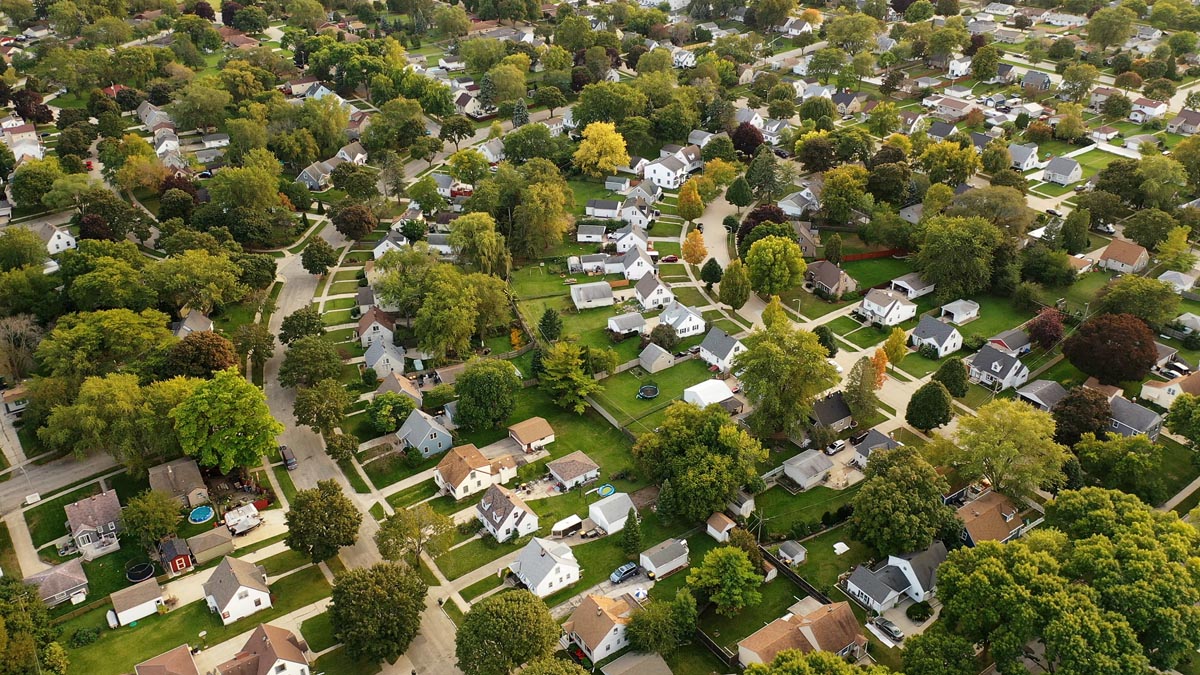
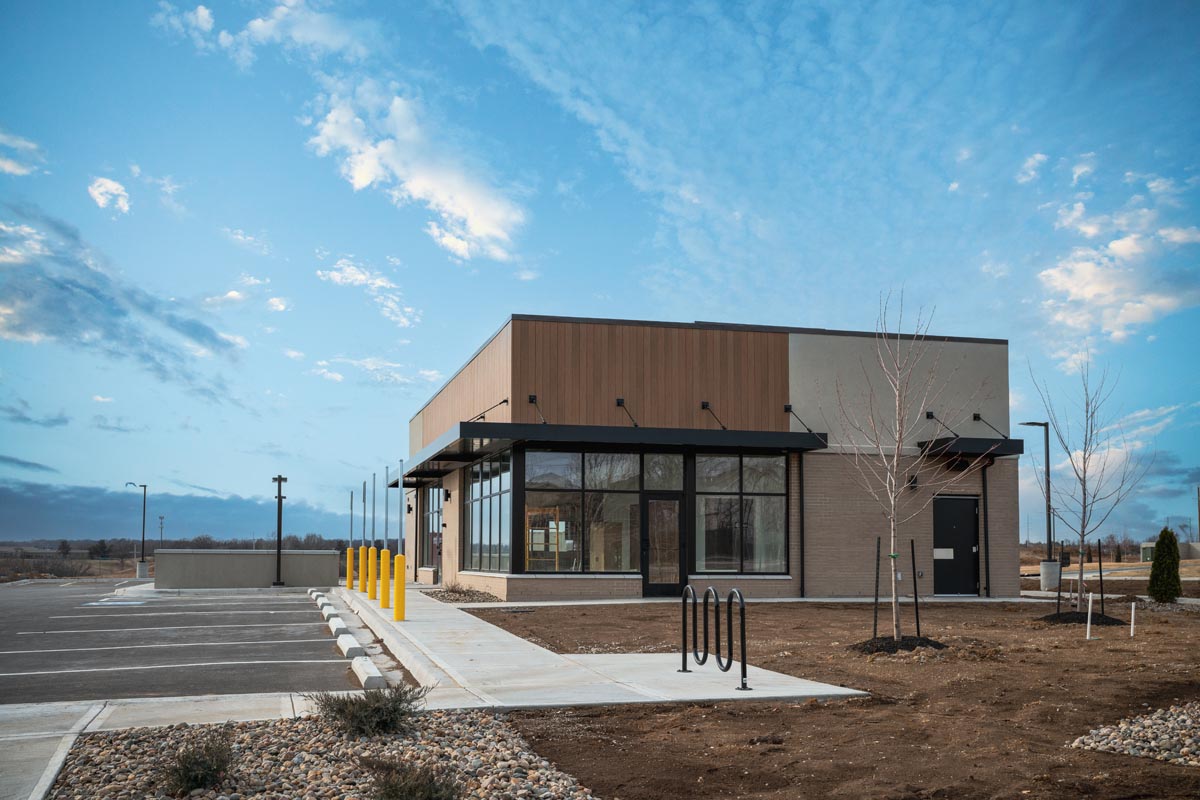
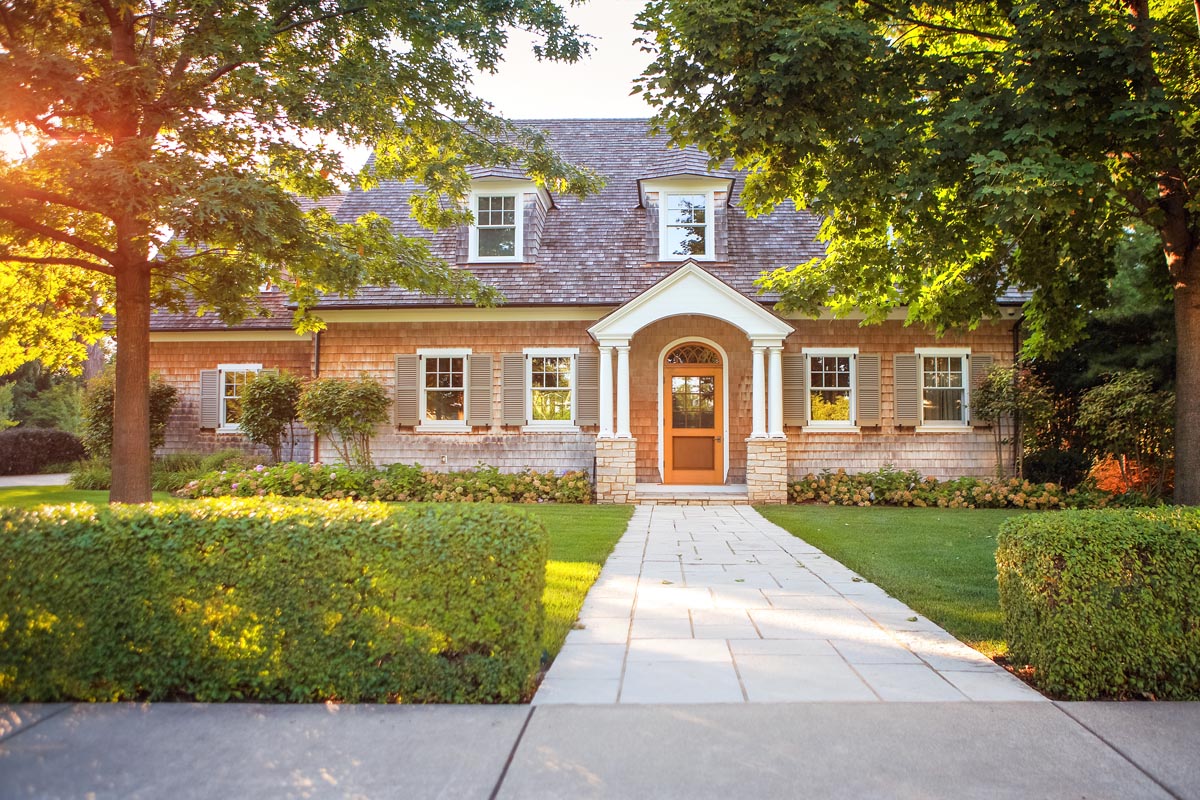
Specialty programs use different records. They are not a softer review, and they can cost more. These photos are homes and workplaces, not listings, and they are not an offer.


Files People Ask About
If a conventional, FHA, VA, or USDA file can document the income, start there. A specialty loan is the path when that file will not work.
Swipe sideways to see each file.

Bank Statements
Self-employed income that tax returns do not show in full can be documented with 12 or 24 months of bank statements.

A 1099 or a Profit and Loss
Income on a 1099, or a profit-and-loss statement, is not the same record as a W-2. Credit is still reviewed.

A Manufactured Home
Age, condition, foundation, and whether you own the land can all matter. Not every manufactured home can be financed.

A Bridge Between Two Homes
A short loan can cover the time between selling one property and buying another. It is still a loan, with costs.
Land, Not a Finished House
A lot or a piece of land is not the same as a loan on a finished house. Ask which desk should see that file.

Who It Is Great For
- Self-employed borrowers whose tax returns do not show the full picture
- Buyers of a manufactured home who want to know the extra rules first
- People comparing doctor loans or investor loans with a standard program

Who It May Not Fit
- Borrowers whose income already fits a conventional, FHA, or VA file
- Anyone hoping a specialty label skips the review
Key Requirements

01
Credit
A credit history a lender can review. Non-QM and manufactured loans can weigh credit differently, and they still review it.

02
Down Payment
Some money down. Specialty loans often ask for more cash than a standard primary-home loan.

03
Debt-to-Income
Debts that fit the income you can document, using the records that program accepts.
These notes describe topics a lender often reviews. They are not minimums or a promise of approval.

What to Remember
- Non-QM loans use different income records
- Manufactured housing has extra rules about the home and the land
- Doctor loans and investor loans have their own pages in this set

Pros
- A path when standard income documents do not fit
- Room to talk about manufactured homes, investors, and medical professionals

Cons
- Price and paperwork can be higher than a standard loan
- Not every home or income type is eligible
How It Usually Goes
1

Describe the Income and the Home
Self-employed, manufactured, investor, and medical files start with different questions.
2

Match the Records to the Program
Bank statements, leases, or a license may matter more than a W-2.
3
Compare With a Standard Loan
If a conventional or FHA file works, it may be the simpler path.
4

Review Costs Before You Commit
Ask what is different about the rate conversation, the reserves, and the property.
1 of 4. Describe the Income and the Home

Questions People Ask
Is Non-QM the Same as a Bad-Credit Loan?
No. Non-QM is about the rules the loan follows and the records it uses. Credit is still reviewed.
Can Any Manufactured Home Be Financed?
No. Age, condition, foundation, and whether you own the land can all matter.