

Guide · Buying · 4 min read
First-Time Buyer Roadmap
The steps from "we might buy" to keys, in the order most people meet them.
A Sequence, Not a Single Form
A first purchase is a sequence, not a single form. You do not need every answer on day one. Most people move through the same stretches of time, even when the loan program changes. Stop at any step and ask what a word means.

How a First Purchase Usually Goes
Six stretches, in the order most people meet them. On a large screen the photo stays with the step in view. On a smaller screen, each step keeps its own photo.
1

Picture a Payment
Start with a monthly number you can live with. Use the calculators with your own price, your own cash, and a term you choose. Treat the result as a sketch. It is not a quote, and it is not an offer.
A housing payment often includes principal and interest, property taxes, and insurance. Some payments also include mortgage insurance or an HOA fee. The pieces change with the home. This page does not show a rate.
Have This ReadyA price you hope to stay near, the cash you could put down, and the debts you already pay each month.
Try the Payment Calculator2

See Which Programs Can Apply
First-time does not name one loan. Many buyers use a conventional loan or an FHA loan. VA and USDA loans have their own rules about service and location. Down-payment help, when a city or state offers it, adds rules of its own.
Owning a home years ago can still count as first-time for some programs. The definition belongs to that program. A condo, a townhome, and a single-family house can all come up. The building and the location still have to qualify.
Have This ReadyThe city or county where you want to buy, and whether you have owned a home before.
Read About First-Time Buyers3

Ask for a Pre-Approval
A pre-approval looks at income, savings, and credit before you have a contract. A loan officer may ask for a credit check. You should hear that before it happens.
The letter is stronger than a guess at the kitchen table. Sellers sometimes ask for it. It is not a promise the loan will close. The home, the appraisal, and the final documents still have to pass review. If your job, your debts, or your cash change after the letter, say so.
Have This ReadyA photo ID, recent pay stubs or other income records, and the name of the bank that holds your savings. Do not send a Social Security number through this website.
How Pre-Approval Works4

Shop Inside That Range
Look at homes near the range you discussed. An offer includes earnest money and dates for the inspection and the financing. Those dates are part of the contract. Read them before you sign.
Earnest money shows you are serious. The contract says what happens to that money if the sale falls through. A price above the range you discussed can change the conversation about cash and about which program still fits.
Have This ReadyThe homes you liked, the offer price, and any dates the contract asks you to meet.
See Buying a Home5
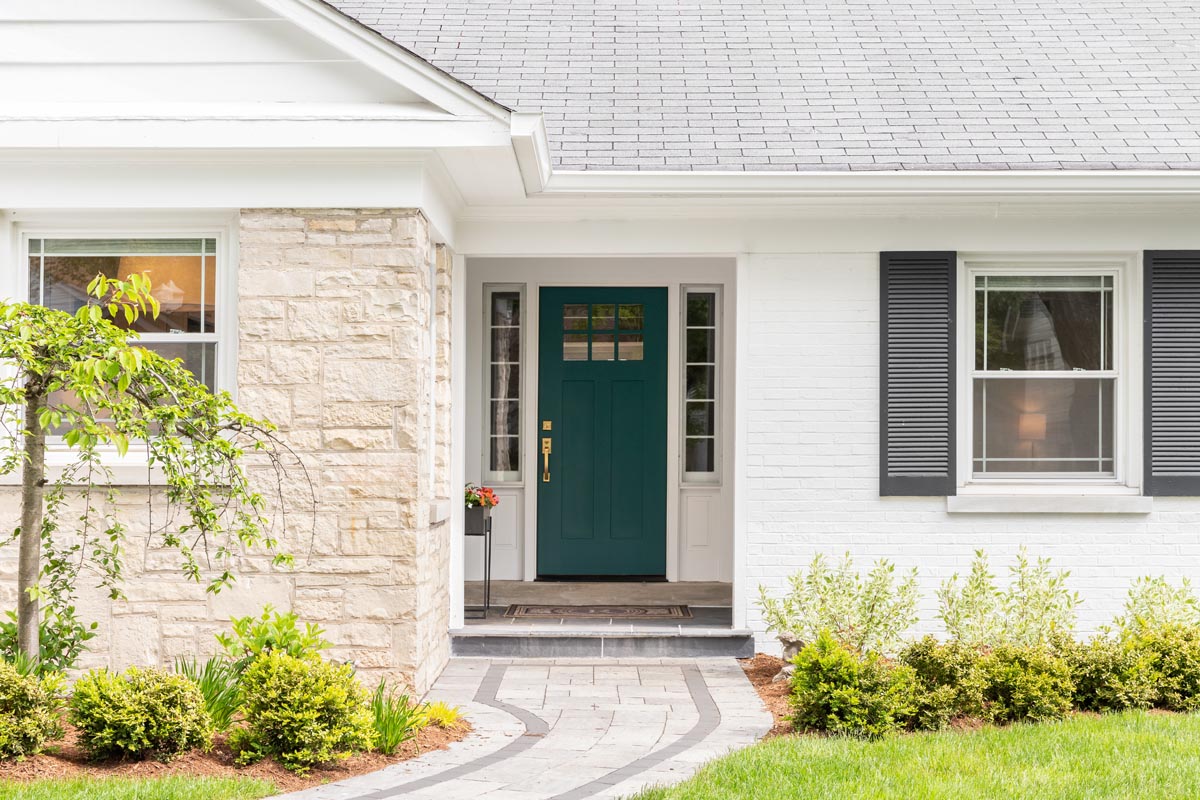
Move the File Forward
After the seller accepts, the file moves through appraisal, title, and underwriting. The appraisal is an opinion of value for the lender. Title checks who owns the home and whether old claims are attached to it. Underwriting reads the documents and may ask for one more.
A purchase often takes about a month to six weeks after a contract. It can be shorter. Extra questions, a low appraisal, or a title issue can make it longer. That range is common. It is not a guarantee, and it is not a closing date.
Have This ReadyAnswers as they are requested. Tell your loan officer if your job, your debts, or your cash change while the file is open.
From Offer to Keys6

Sign and Get the Keys
You will see a closing disclosure before you sign. Read the cash due and the monthly payment. Ask what each fee is for. Closing is the day you sign and, if the file is clear, get the keys.
Closing costs are separate from the down payment. They can include lender fees, title fees, and prepaid taxes and insurance. The list that applies to you is on your disclosure. A rate lock, if you have one, holds an interest rate for a set number of days. A lock is not an approval.
Have This ReadyA photo ID, and the questions you still have about the cash due. Wiring instructions should come from a source you already trust. Call your loan officer if a last-minute message asks you to send money somewhere new.
Read About Closing Costs
1 of 6. Picture a Payment
Three Things Worth Knowing

The Label Is About You
There is no single first-time loan you are required to use. The label describes your ownership history for a specific program. Ask which rule applies before you plan on it.
First-Time Buyers
Help With Cash Can Be Local
Down-payment help might be a grant, a forgivable second loan, or a loan you repay. A program in one county can be closed while the next county still has funds. Income limits and home rules are local too.
Down-Payment Assistance
Start With the Records You Have
You do not need a perfect folder for the first call. A photo ID, recent income records, and the name of your bank are a useful start. Account numbers and a Social Security number belong in the secure application, after you choose a loan officer.
Document Checklist
A Real Conversation
Ready When You Are.
Talk with a loan officer who is licensed where the home is. Walk through buying, refinancing, or a loan that does not fit a standard file. Start with the directory, or answer a few questions first.