
Refinancing
Replace the loan you already have, change the term, or take cash from equity. Each path has costs.
Three Jobs a Refinance Can Do
A rate-and-term refinance replaces the loan you have. People use it to change the rate, the length of the loan, or both. A shorter term can raise the monthly payment and reduce the interest you pay over time. A longer term can lower the payment and increase the interest over the life of the loan.
A cash-out refinance replaces the loan with a larger one so you can receive cash. The cash is borrowed. You pay it back, with interest, as part of the new loan. The home's value has to support the new loan size. Common reasons include paying off higher-interest debt or repairing the house. The reason does not make the cash free.
A streamline refinance is a narrower path for some people who already have an FHA or VA loan. It can ask for less paperwork when you are not taking cash out. It still has costs, and it is not offered on every existing loan.
Closing costs are part of every one of these choices. Break-even is the time a lower payment needs in order to cover those costs. If you expect to move before then, run that math before you apply.


In Everyday Language
A refinance pays off your current home loan and replaces it with a new one. You might want a different term, a different rate, or cash from the equity. Cash you take out is borrowed money, not a gift. Closing costs are part of the math. The break-even point is the time it takes for a lower payment to cover those costs. If you move before then, the savings may not show up.
A Refinance Has a Few Jobs
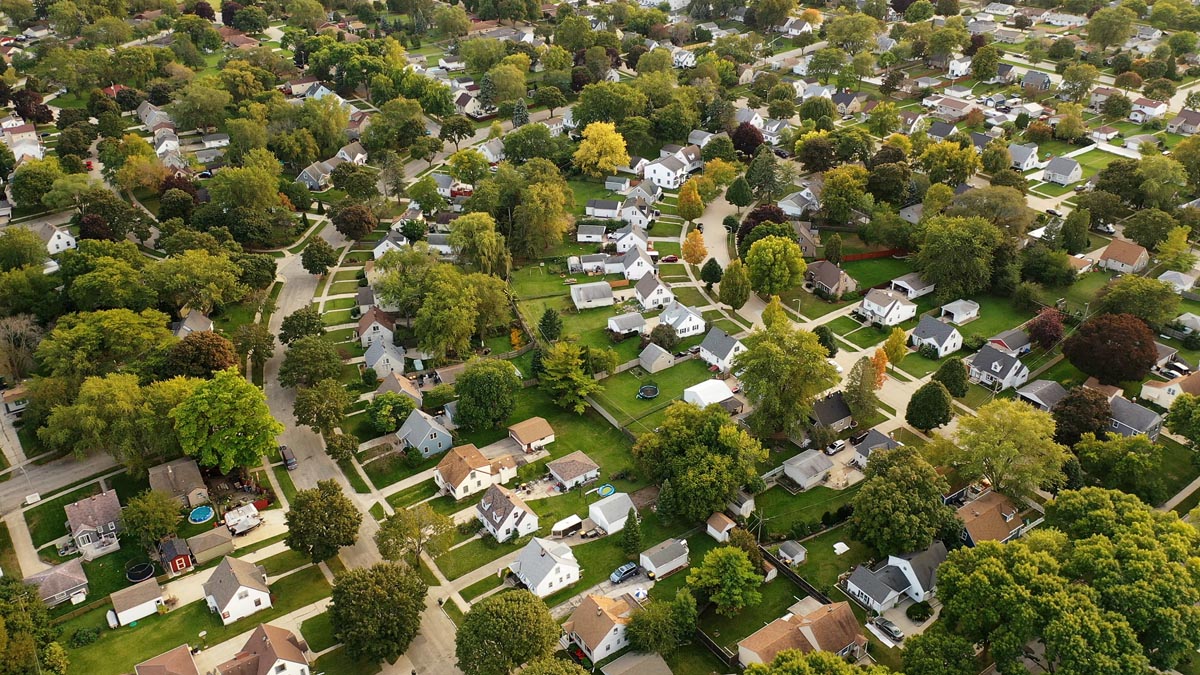
Replacing the loan you have can change the term, the payment shape, or the cash you receive. Each job has costs. These photos are homes, not listings, and they are not an offer.


Ways to Use a Refinance
Name the job before you compare payments. A shorter term, cash from equity, and a reverse mortgage are not the same loan.
Swipe sideways to see each path.

Rate and Term
Replace the current loan to change the rate, the length, or both. A shorter term can raise the payment and reduce the interest you pay over time.

Cash-Out
Replace the loan with a larger one and receive the difference as cash. That cash is borrowed. The home's value has to support the new loan size.

A Shorter Term
Paying the loan off sooner can raise the monthly payment. The trade is less interest over the life of the loan, if you keep it.

Streamline
Some existing FHA and VA loans can be refinanced with a shorter file when you are not taking cash out. It still has costs, and it is not available on every loan.

Reverse Mortgage
Homeowners who are 62 or older, and in some cases 55 or older, can look at a reverse mortgage. You keep the title. You still pay taxes, insurance, and upkeep.
Who It Is Great For
- Homeowners who want a different term or a different payment shape
- People who have a clear use for cash from equity and understand it is a loan

Who It May Not Fit
- Homeowners who would move before a lower payment could cover the costs
- Anyone treating cash-out as found money
Key Requirements

01
Credit
A credit history a lender can review on the new loan.

02
Down Payment
You are not buying, so the question is equity. The new loan still has to fit the home's value.

03
Debt-to-Income
Debts that fit the income you can document, including the new payment.
These notes describe topics a lender often reviews. They are not minimums or a promise of approval.

What to Remember
- A rate-and-term refinance changes the rate, the term, or both
- A cash-out refinance turns equity into borrowed money you pay back
- Break-even is how long the monthly change takes to cover closing costs
Pros
- Can change the term or the payment
- Can turn equity into cash when the file and the value support it
Cons
- Closing costs are real
- A lower payment can mean you pay more interest over a longer term
How It Usually Goes
1
Name the Goal
Rate-and-term, cash-out, or a shorter payoff are different jobs. Pick the job first.
2

Sketch the Break-Even
Use the refinance calculator with your current payment, a new payment you enter, and the closing costs.
3
If You Want Cash, Name the Use
The cash-out calculator shows a new loan size from numbers you enter. It is an illustration.
4

Compare the Full Cost
Look at the payment, the term, and the costs together before you decide.
1 of 4. Name the Goal

Questions People Ask
Does a Refinance Always Lower the Payment?
No. A shorter term can raise the payment and reduce the interest you pay over time. A longer term can do the opposite.
Is Cash-Out the Same as a Rate-and-Term Refinance?
No. Cash-out increases the loan so you can receive cash. You repay that cash as part of the new loan.
Related Calculators
From the Learning Center
Related Programs

A Real Conversation
Ready When You Are.
Talk with a loan officer who is licensed where the home is. Walk through buying, refinancing, or a loan that does not fit a standard file. Start with the directory, or answer a few questions first.