
USDA & Rural
A loan for some homes outside city centers, when the address and the household fit the program.
Location Is Part of the Loan
A USDA rural loan is for a primary home in an area the USDA map marks as eligible. "Rural" on that map includes some suburbs. A quiet town can still be ineligible. The map is the source, and it can change.
Many eligible buyers put little or no money down. The program also looks at household income, not only the borrower's paycheck. Those limits differ by county and by household size. This page does not print the dollar limits.
The home has to be modest by the program's size and value rules, and you have to plan to live in it. A rental, a second home, and a property that will be used as a business do not fit this loan.
There is usually a guarantee fee, similar in spirit to mortgage insurance on other programs. Ask how it shows up in the payment and whether any of it is due at closing. A loan officer can put the fee next to the rest of the cash you need.


In Everyday Language
A USDA rural loan looks at the home's location as well as your income and credit. Some versions also look at household income. The map, not a guess about the town, shows whether an address is eligible.
The Map Decides the Address
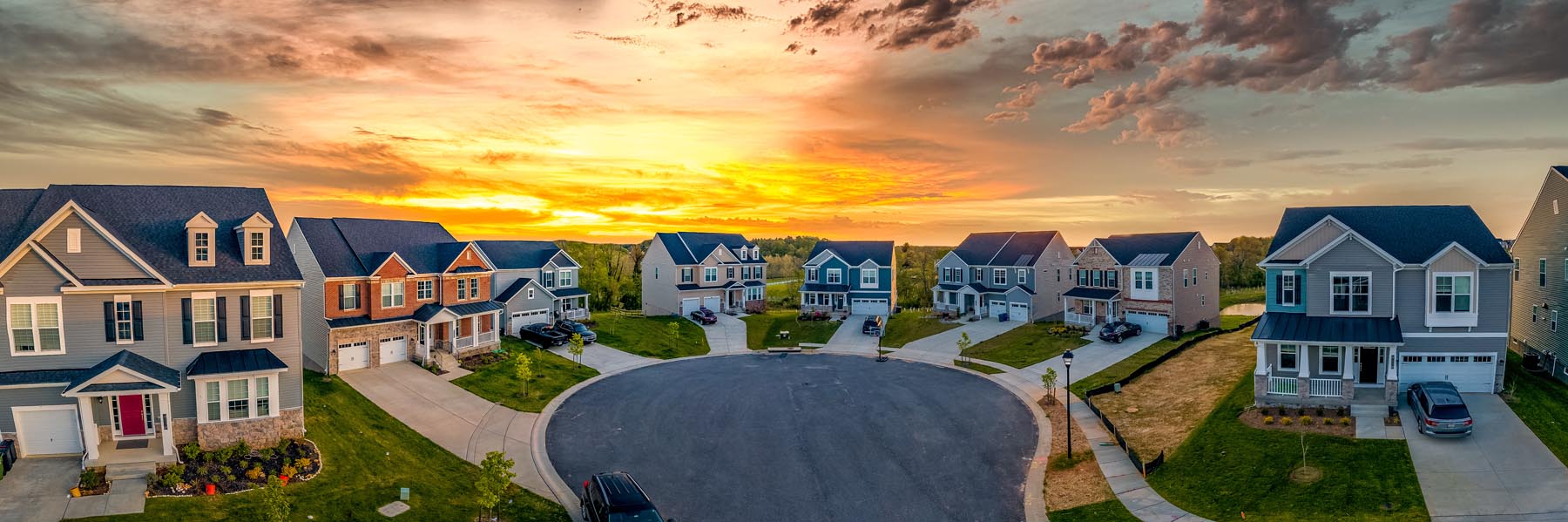
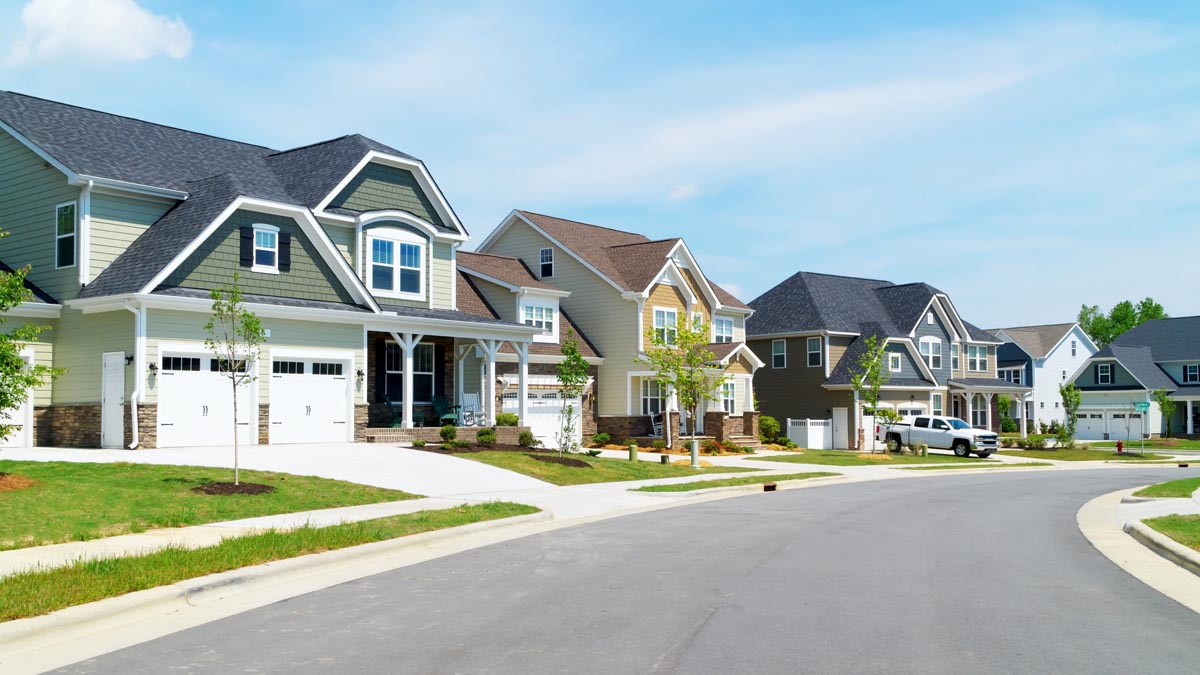
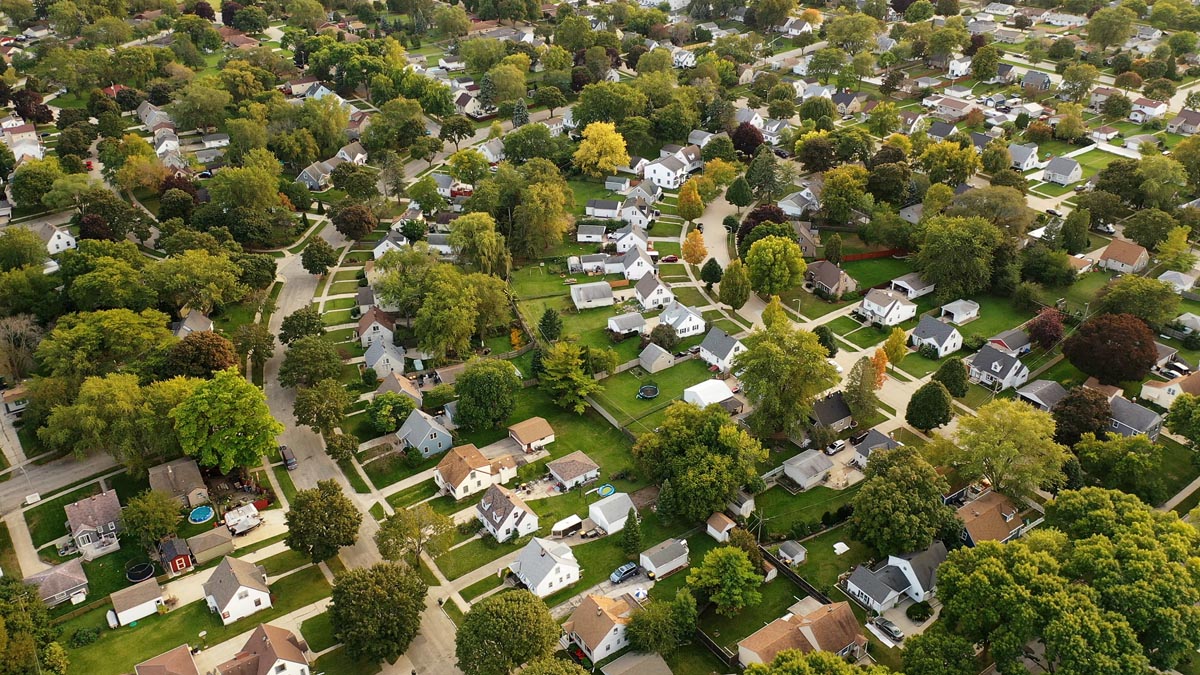
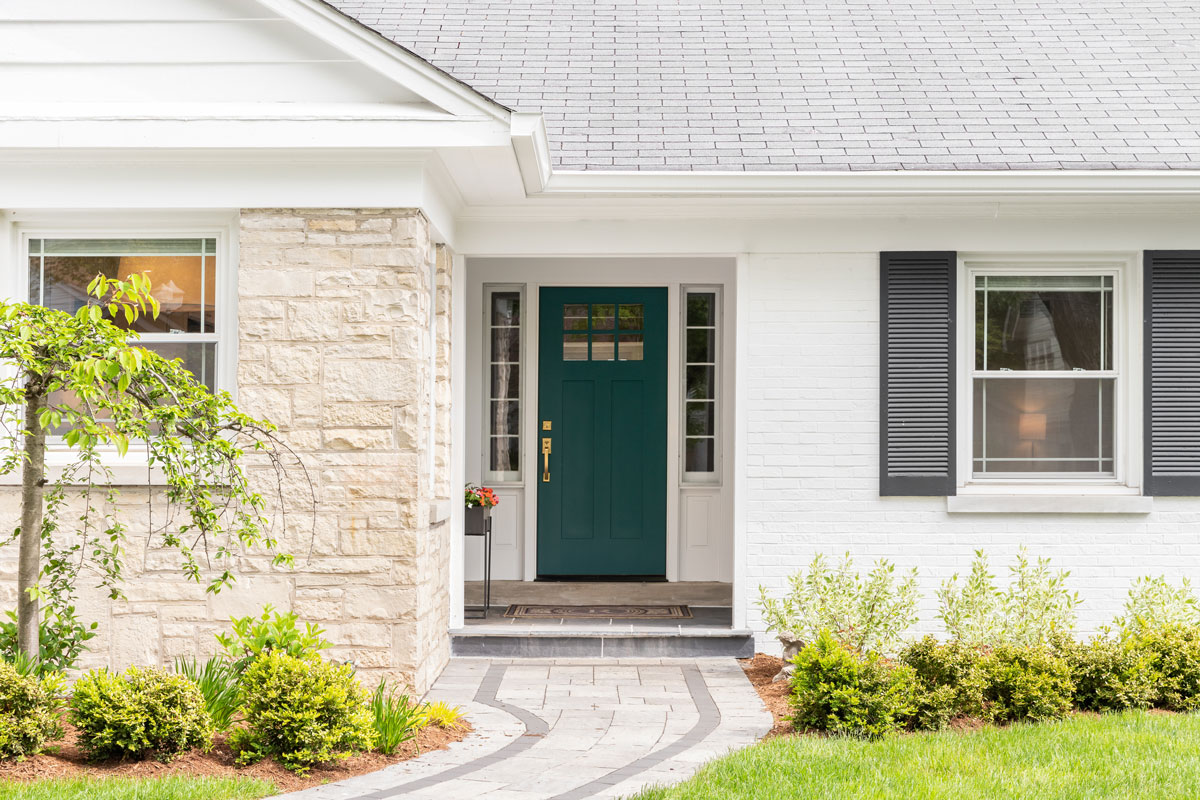
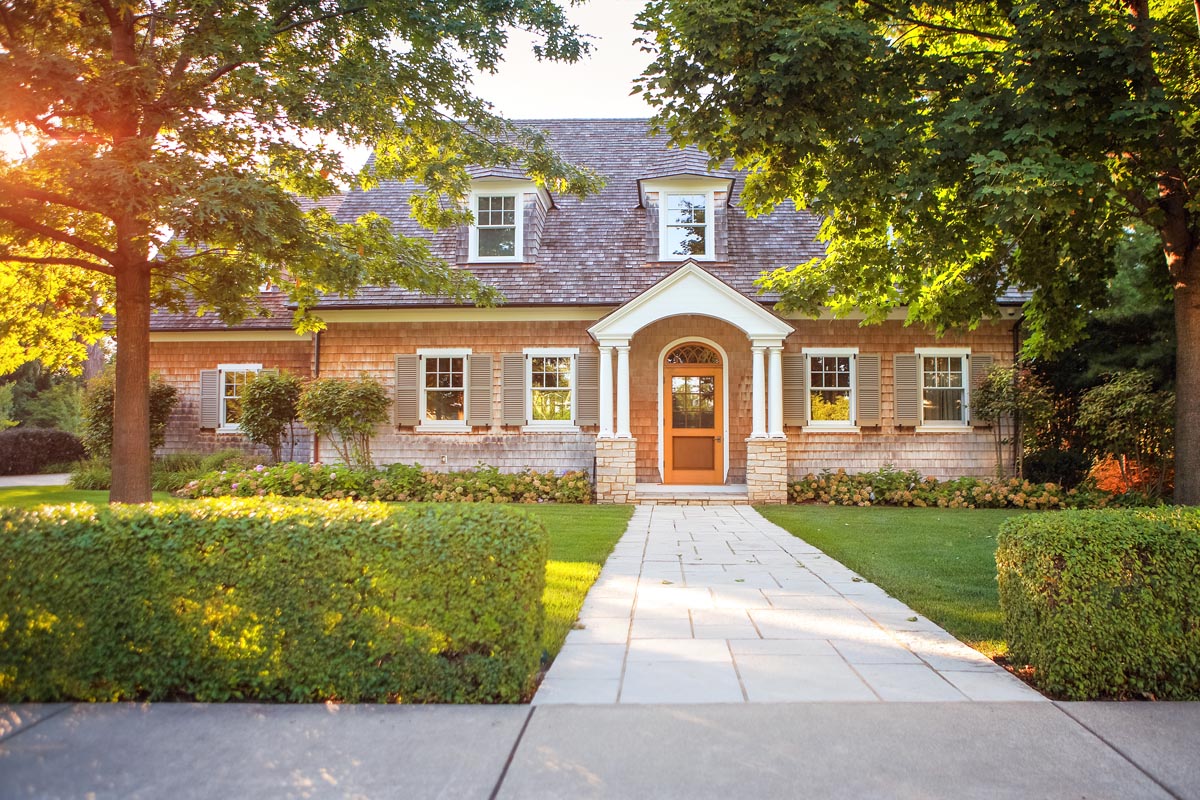
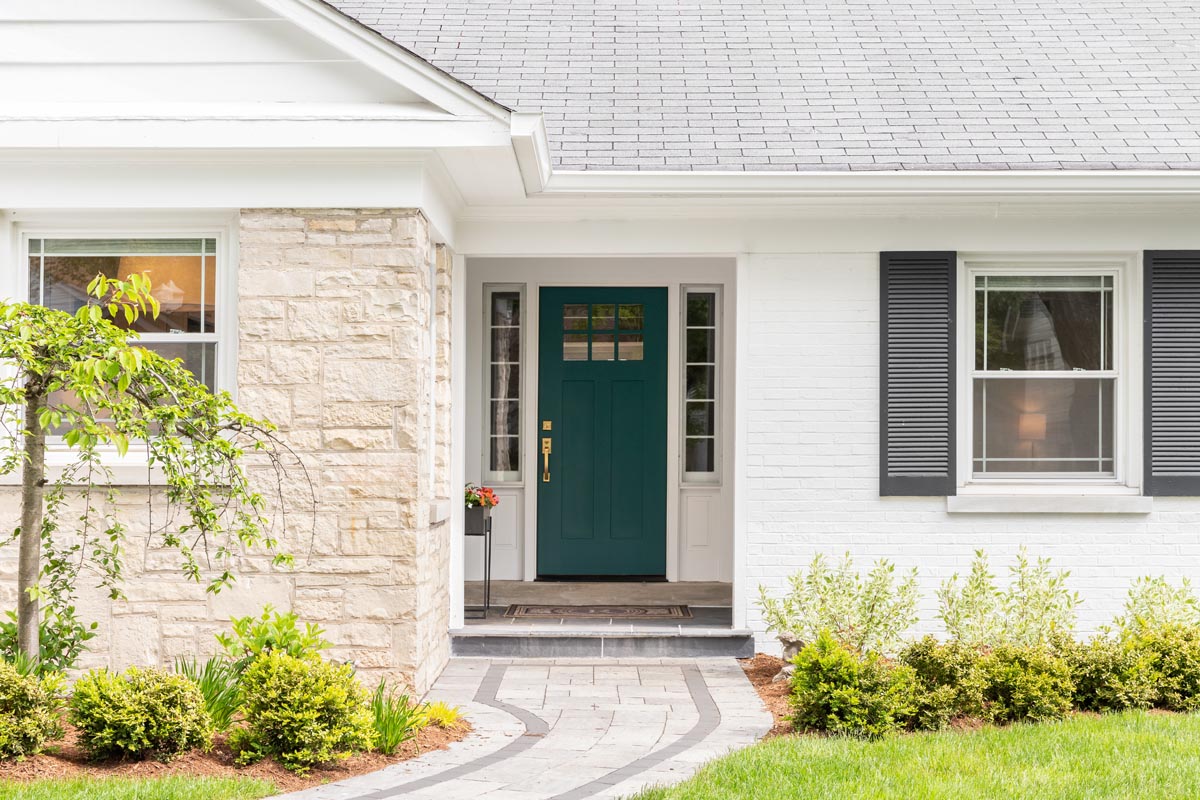
A USDA rural loan looks at the home's location as well as income and credit. The map is the source. These photos are homes, not listings, and they are not an offer.

What the Program Checks
A quiet town can still be ineligible. Household income, the cash you bring, and a guarantee fee are part of the same conversation.
Swipe sideways to see each part.
The Address on the Map
The official map, not a guess about the town, shows whether an address is eligible. The map can change.

Household Income
The program may count income from people who live in the home, not only the borrower. Limits differ by county. This page does not print them.

Little Cash Down
Many eligible buyers put little or no money down. You may still need cash for closing costs.

A Home You Will Live In
The home has to be one you will live in. A rental, a second home, and a property used as a business do not fit.

A Guarantee Fee
There is usually a fee, similar in spirit to mortgage insurance. Ask how it shows up in the payment and whether any of it is due at closing.

Who It Is Great For
- Buyers looking at a home in an eligible rural area
- Households whose income fits the program for that county
Who It May Not Fit
- A home inside an area the map marks as ineligible
- A property you will use as a rental or a second home
Key Requirements

01
Credit
A credit history a lender can review.

02
Down Payment
Some USDA loans are built for buyers with little money down. You may still need cash for closing costs.

03
Debt-to-Income
Debts that fit the income you can document, and a household income that fits the area's limit when the program has one.
These notes describe topics a lender often reviews. They are not minimums or a promise of approval.

What to Remember
- The address has to be in an eligible rural area
- Household income limits can apply
- Wanting a quieter town is not enough by itself

Pros
- Built for homes in eligible rural areas
- Can reduce the cash needed to buy, when the address qualifies

Cons
- The map controls the address, not your preference
- Income limits can rule a household out even when the home is rural
How It Usually Goes
1
Check the Address on the USDA Map
Use the official eligibility map before you fall in love with a house.
2

Talk Through Household Income
The program may count income from people who live in the home, not only the borrower.
3

Review Credit and the Payment
Location eligibility does not replace the rest of the file.
4
Confirm the Home Itself
The property still has to be a home you will live in and that meets the program's condition rules.
1 of 4. Check the Address on the USDA Map

Questions People Ask
Where Do I Check Whether an Address Qualifies?
The USDA eligibility map is the source. A loan officer can walk through it with you, and you can open it yourself.
Is Every Small Town Eligible?
No. Eligibility is set by the map and can change. A quiet town can still be ineligible.
Related Calculators
From the Learning Center
Related Programs


A Real Conversation
Ready When You Are.
Talk with a loan officer who is licensed where the home is. Walk through buying, refinancing, or a loan that does not fit a standard file. Start with the directory, or answer a few questions first.